
Military architecture
Citadels and fortifications of the estuary
Ramparts and bastions were placed to guard the navigable channels along both banks of the Gironde. Their builders worked with the limestone bluffs and the marsh hydrology, shaping defence lines that still define the shoreline. This study follows how these works were sited, built, and read from the water.
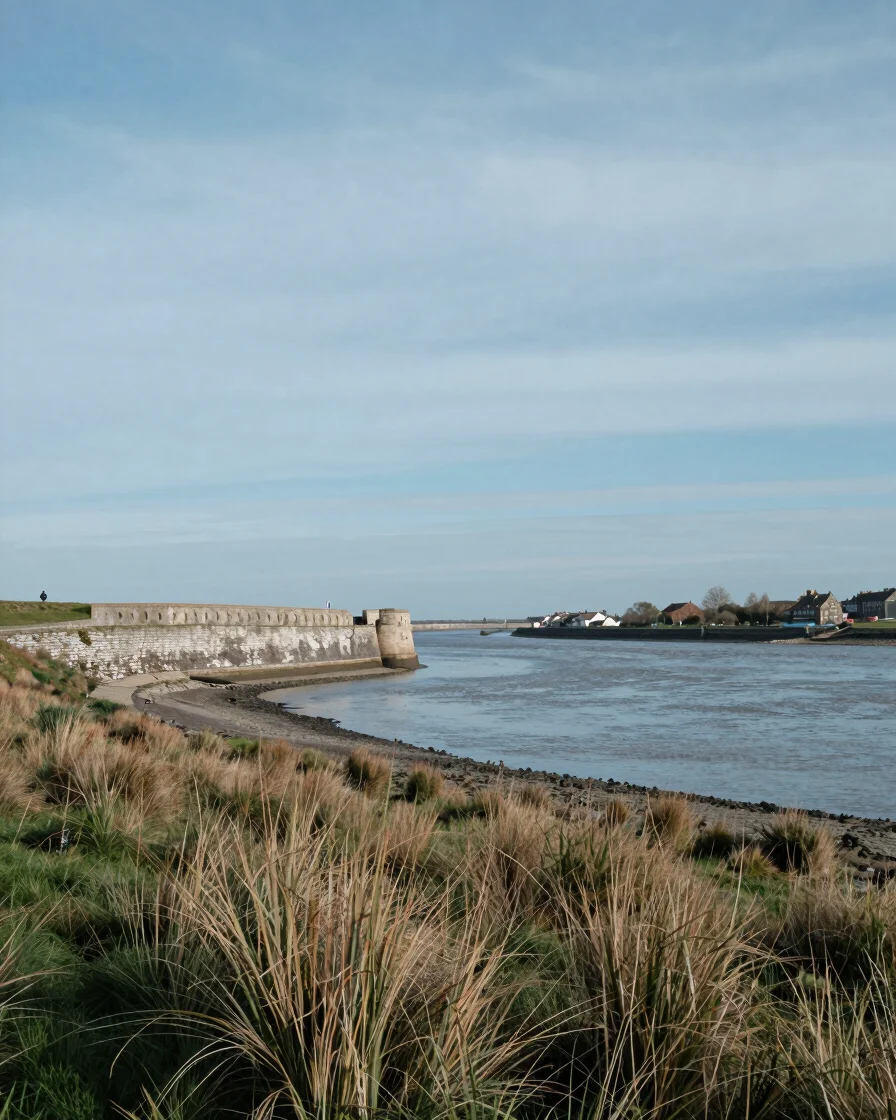
Defensive works
Batteries, bastions and riverside redoubts
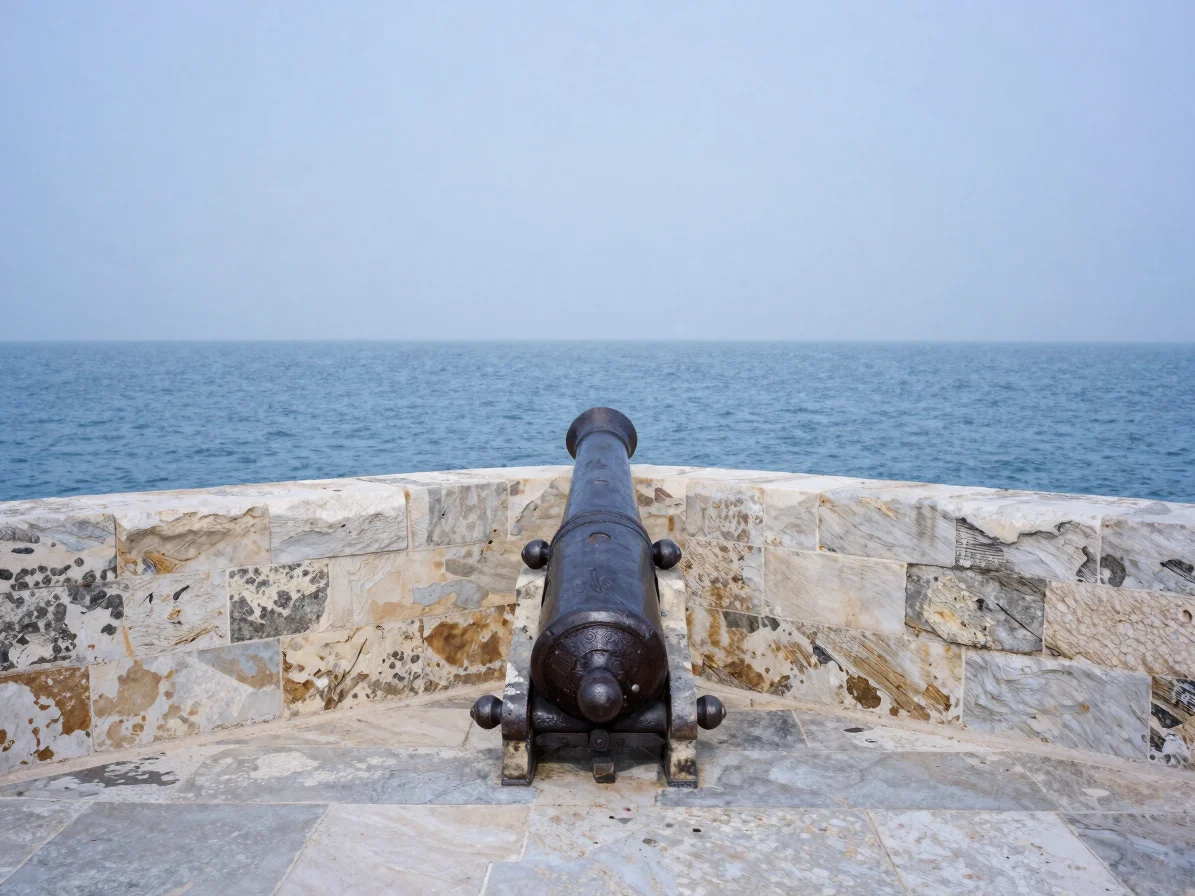
Gun batteries
Positions aimed at the channel
Gun batteries were set low against the water so their fire covered the navigable passage. Their embrasures and sightlines show how each position was chosen to command a particular reach of the river.
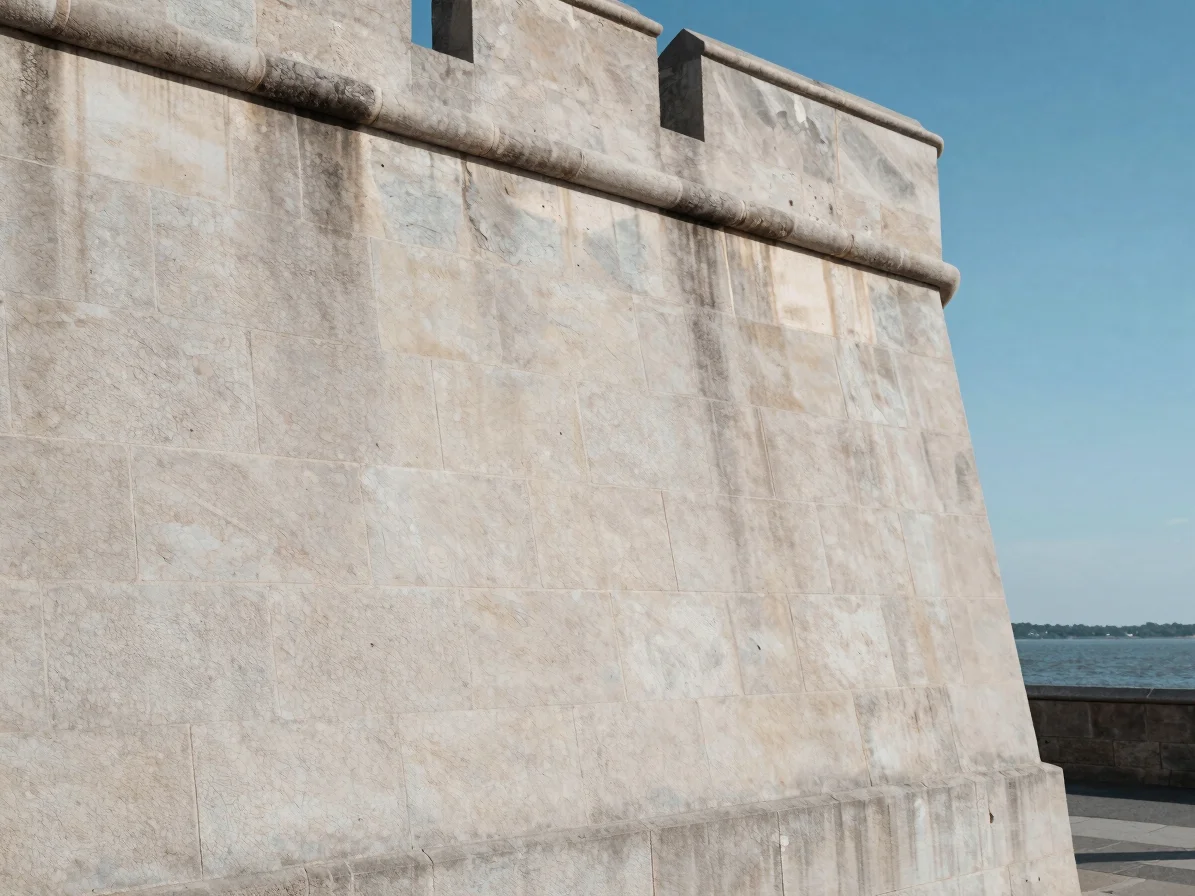
Bastions
Angled faces and flanking fire
Bastions projected from the line of the ramparts so that defenders could fire along the walls. Their angled faces reveal a logic of mutual cover, read most clearly from the outer ditch and the walkway above.
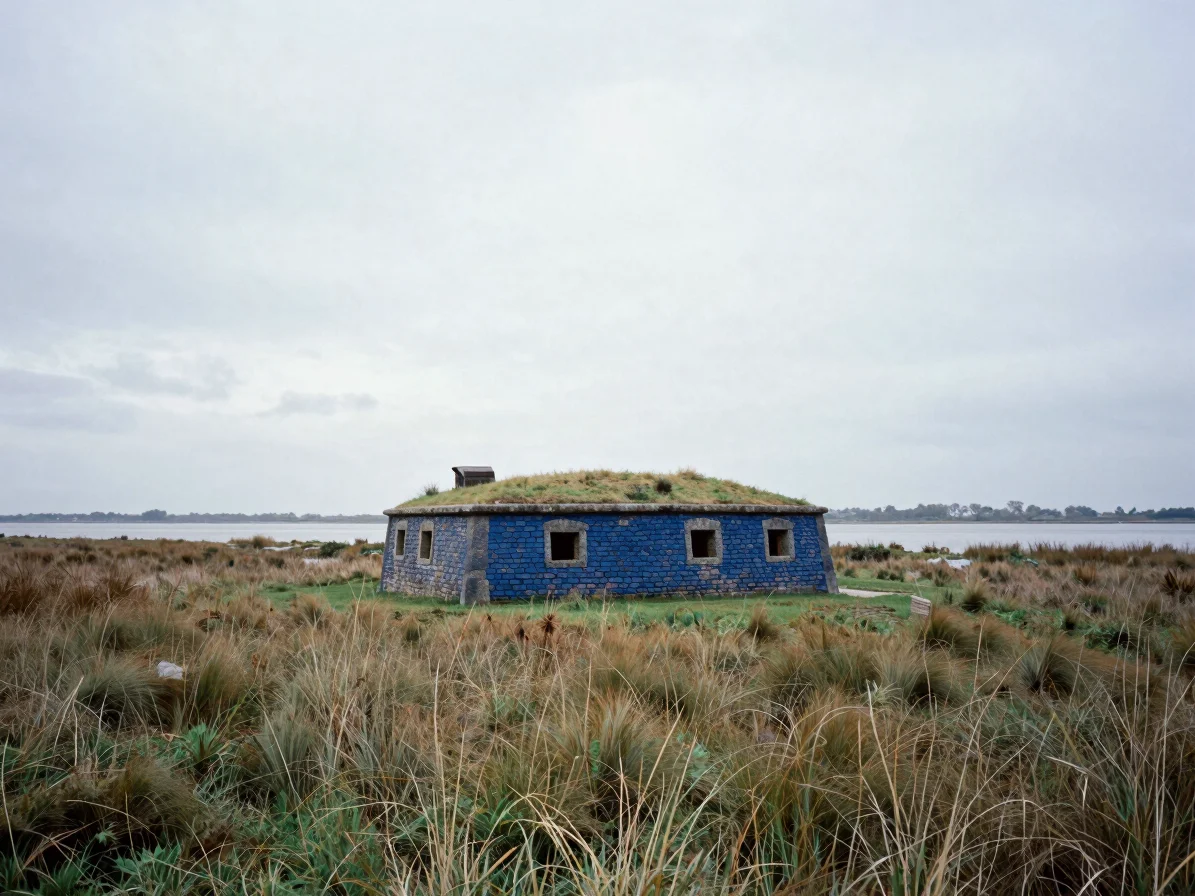
Riverside redoubts
Smaller works at the water's edge
Redoubts on the riverbanks were smaller and more exposed than the main citadels. Their outlines still follow the shore, marking where the estuary once demanded its own defence.
Continue with the masonry
The joints, stone choices, and repairs of these works are examined in our studies on architecture and restoration.