
Architecture and restoration
Reading the estuary through its building materials
Limestone walls, lime mortars and timber roofs carry the history of the Gironde estuary in their making. This section follows how these materials were chosen, worked and repaired over time.
Conservation here favours stable, breathable repair over conjectural reconstruction. Where a detail is uncertain, the text says so and leaves the question open.
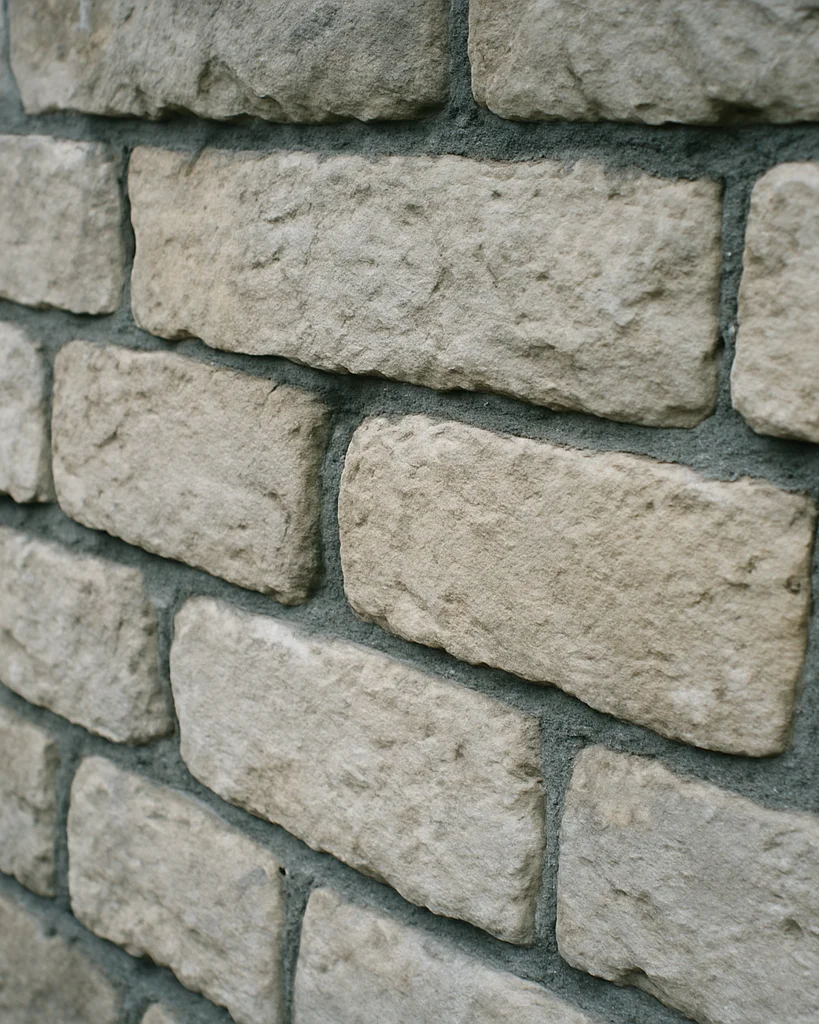
Method
From stone to standing wall
01
Assessing the stone
Masons first record the stone type and its condition. Regional limestone is soft and porous, so each block is judged on how it has weathered before any work begins.
02
Preparing the lime mortar
Lime mortars are mixed to be softer than the stone around them. This lets moisture move through the wall and keeps the masonry from cracking as it dries.
03
Stabilising the timber frame
Timber roofs and floors are checked for rot and loose joints. Repairs keep the original jointing where possible, respecting the carpentry traditions of the region.
Case studies
Three kinds of restoration
Each example shows a different building type and the material decisions it required.
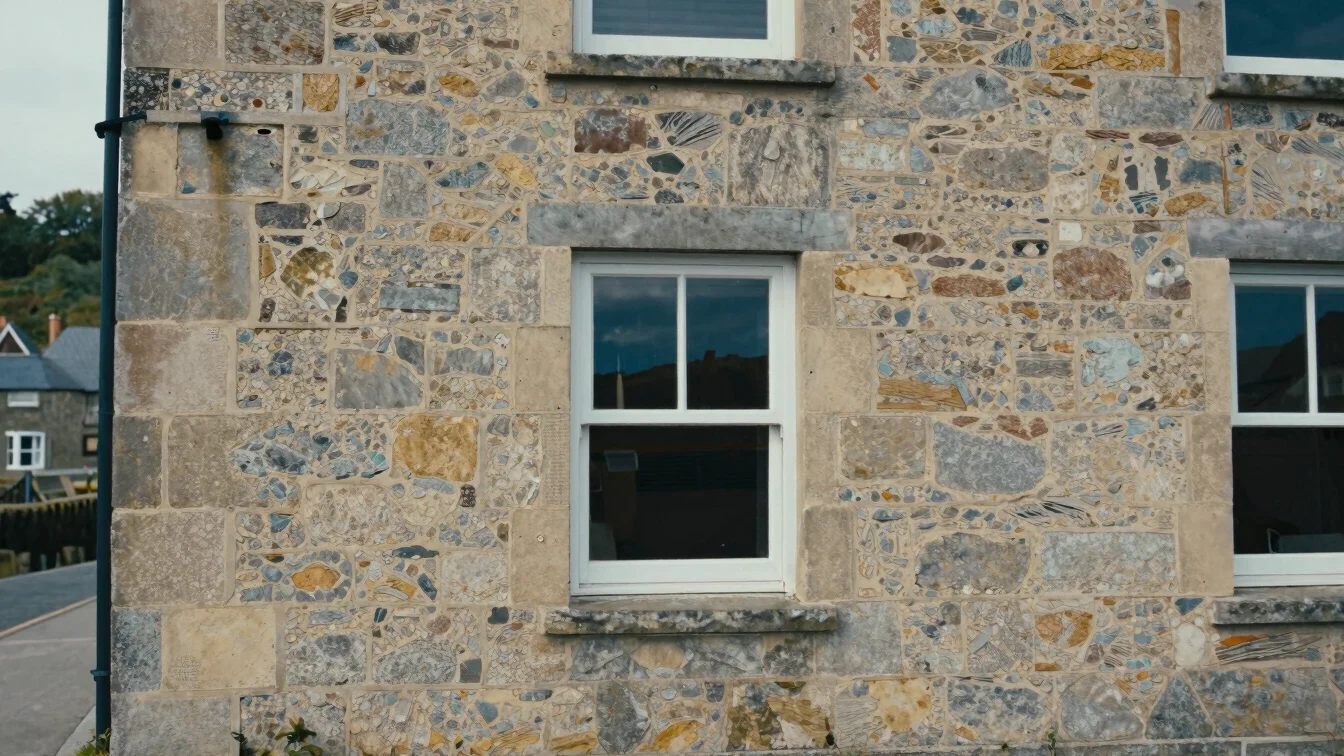
Residential facades
Limestone house fronts
Repointing with lime keeps the joints open to the air, so the stone face can dry out without trapping water behind it.
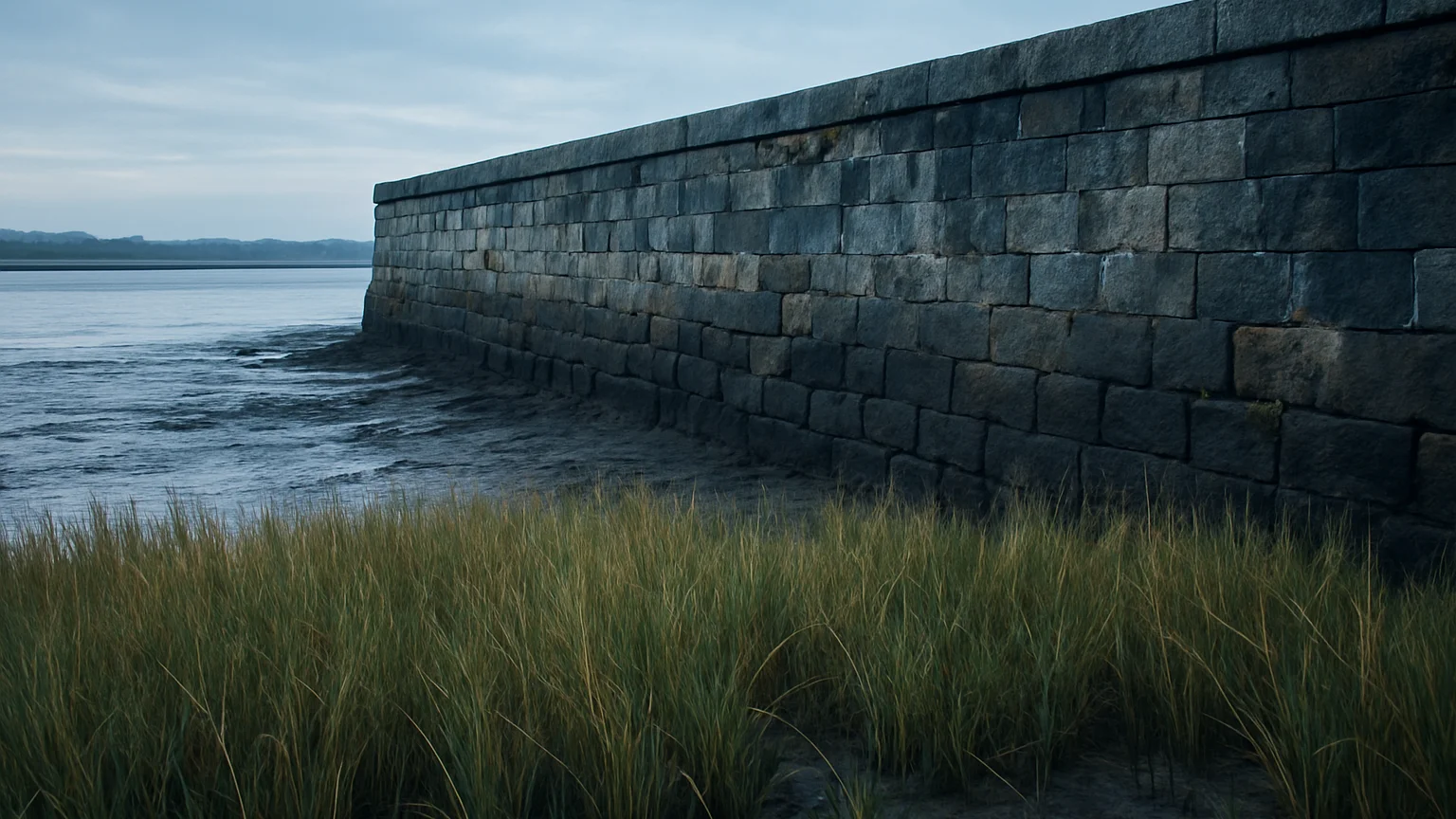
Port wharves
Working riverside edges
Quay walls are repaired with materials that tolerate tidal moisture, reflecting the shipbuilding methods that shaped their construction.
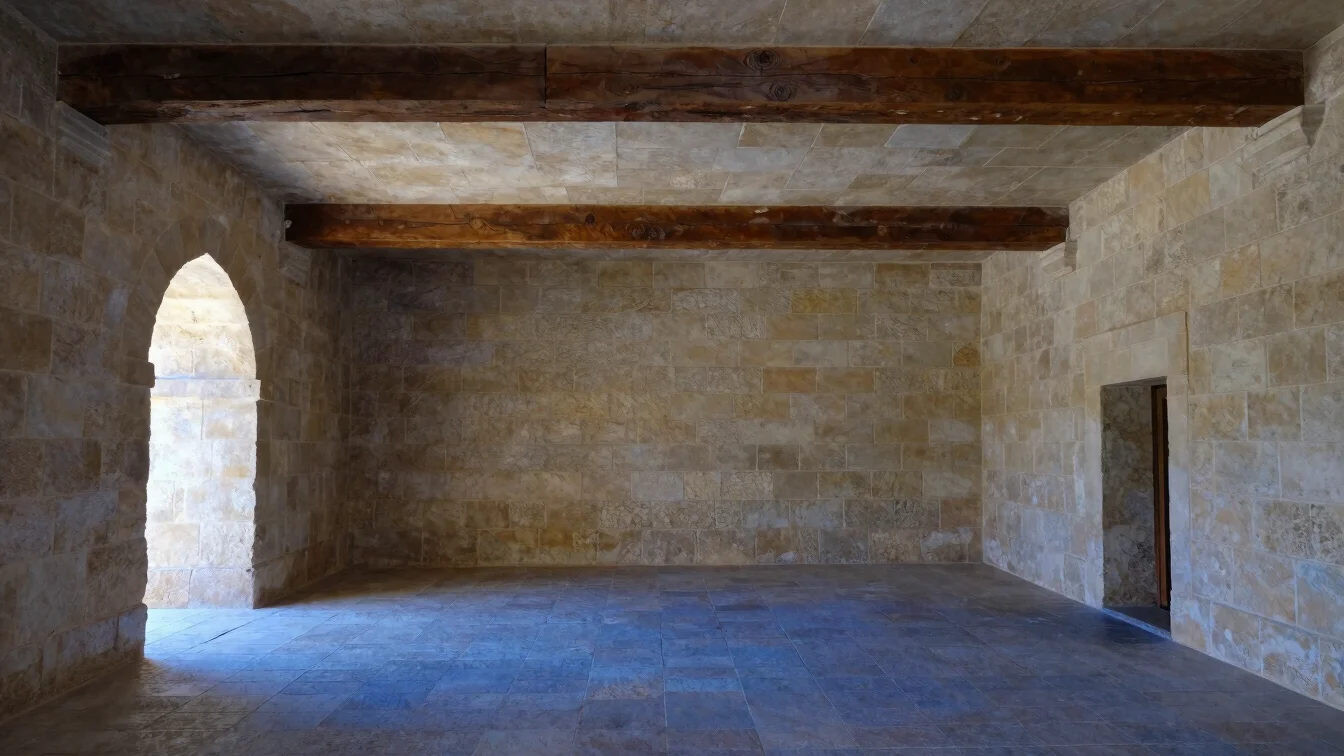
Vaulted interiors
Stone vaults and timber
Structural repair prioritises stability, with sound original stone kept in place and new work clearly distinguished.